The Vendor Audit Nightmare: When Your Privacy Policy Becomes Historical Fiction
By The bee2.io Engineering Team at bee2.io LLC
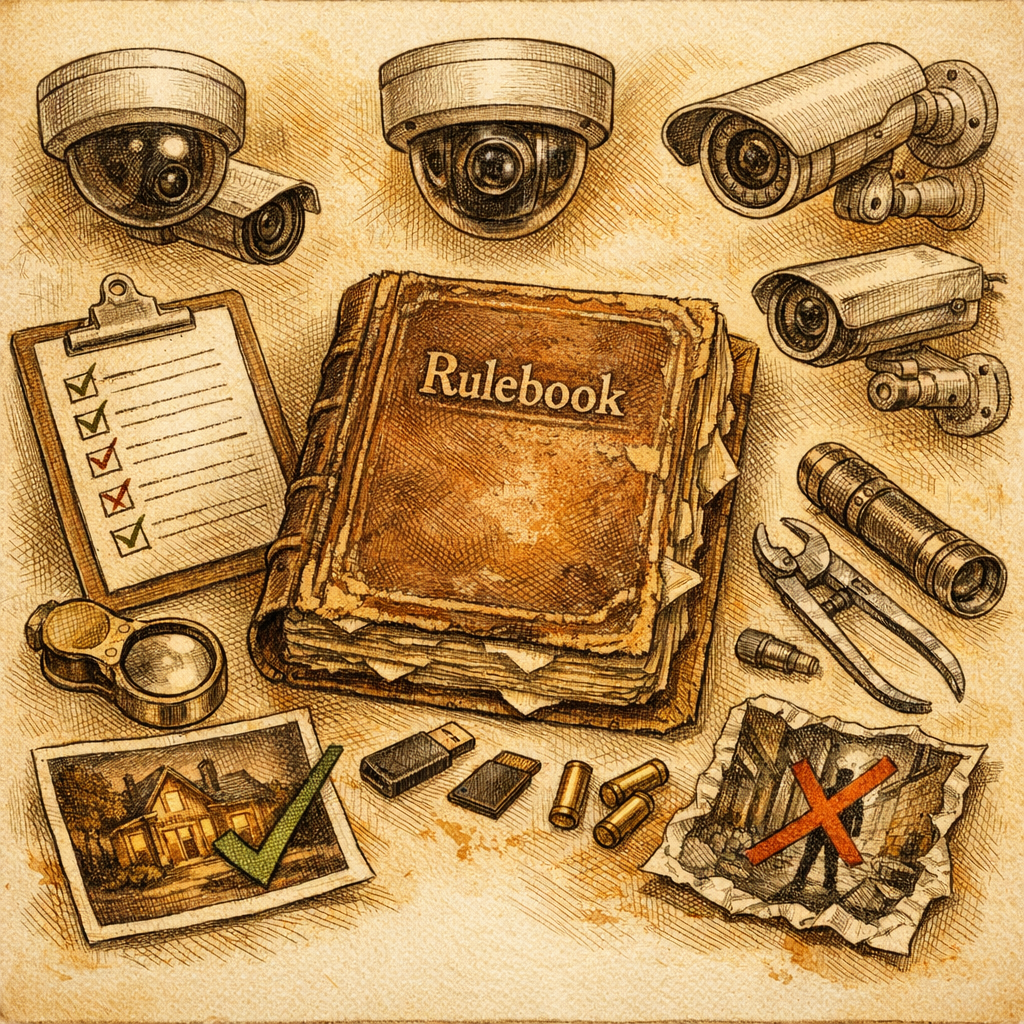
You know that feeling when you find a sweater in your closet you forgot you owned? Now imagine that sweater is actively collecting your location data and your privacy policy was written before the sweater even existed. Welcome to 2026, where your data practices have become a choose-your-own-adventure novel and your legal team is just vibing in the fantasy chapter.
The problem isn't that companies are lying in their privacy policies. It's worse: they're telling the truth about what they used to do. Marketing adds a new CDP. Engineering integrates a fresh analytics platform. Sales implements a lead-scoring tool. Product bolts on a heatmap tracker. And your privacy policy? Still talking about the three vendors you had in 2023 like it's a historical document.
Here's the kicker: according to published research, 64% of websites update their privacy policies less than once per year, while the average company adds or modifies vendor integrations every 6-8 weeks. That's not a gap. That's the Grand Canyon with a gift shop at the bottom selling your personal data.
The Procurement Checklist Nobody's Actually Using
Let's reframe this as what it actually is: a vendor management problem with legal consequences. If your privacy policy doesn't reflect your current data practices, you've got an undocumented integration lurking in production. That's a compliance liability wearing a hoodie.
Here's what your procurement acceptance criteria should actually include:
- Evidence of Policy Sync: Before any new tracker, third-party script, or data-sharing vendor goes live, someone needs to timestamp-verify that your privacy policy will be updated within 7 days. Not "we'll get to it," but actually updated. This isn't optional. This is your evidence trail.
- Data Flow Documentation: Make vendors provide a data inventory. Where does customer data flow? What categories? How long retained? If they can't explain it in writing, they shouldn't be in your stack. You can't disclose what you can't diagram.
- Exit Conditions: Define what happens when a vendor sunsets. Who owns the data deletion? What's the timeline? If you can't answer this before you sign the contract, you're setting yourself up for a "we still have your data somewhere" surprise in three years.
The real question your procurement team should be asking: Why are we treating privacy policy updates like a quarterly tradition instead of an operational dependency? Spoiler alert: because it's nobody's explicit job, so everyone assumes someone else is handling it.
The Vendor Sprawl Spiral and Your Legal Team's Migraine
One major e-commerce platform admitted to having 47 active third-party integrations. Their privacy policy mentioned 12. When asked about the other 35, they got real quiet real fast. That's not an outlier. That's your industry.
Here's where procurement evaluation becomes a survival mechanism: You need a tracking audit that lives somewhere (a spreadsheet, a platform, wherever you'll actually maintain it) that answers these questions:
- What data does each vendor touch?
- When was this vendor approved vs. when did it actually go live?
- When was your privacy policy last updated relative to this vendor's deployment?
- Does the vendor's own privacy/security documentation match what your policy says about them?
If you can't answer these four questions for every active integration, your privacy policy isn't misleading. It's just... optimistic. Like really optimistic. Like your aunt saying she'll "definitely come" to your wedding and then ghosting you optimistic.
The Acceptance Criteria That Actually Sticks
Make this stupid simple: No vendor goes live until three things happen. Document them. Make someone own them:
- Privacy policy updated with vendor details (with a timestamp)
- Security questionnaire completed and filed in your records
- Data processing addendum signed (if they handle personal data)
That's it. Three things. If you can't do three things before adding a new tracking script, you're not ready to add a new tracking script.
The uncomfortable truth? Most companies fail at step one. They'll spend weeks negotiating pricing, days implementing, and then... nothing. The policy just sits there gathering dust while the tracker collects data. It's the web development equivalent of getting a tattoo and never telling anyone about it, except the tattoo is your customers' behavioral data and it's in a very visible place.
Before you pat yourself on the back, pull up your own vendor list. Count every integration that touches customer data. Now look at your privacy policy. Be honest: How many of them are actually mentioned? If the number doesn't match, you're not alone. But you are exposed.
Use SCOUTb2 to scan your live site and audit what's actually happening versus what your policy claims is happening. Then fix the gap. Not next quarter. Now.
Disclaimer: This article is for informational purposes only and does not constitute legal, professional, or compliance advice. SCOUTb2 is an automated scanning tool that helps identify common issues but does not guarantee full compliance with any standard or regulation.
Stop finding issues manually
SCOUTb2 scans your entire site for accessibility, performance, and SEO problems automatically.