JSON-LD Regression Testing: Why Your Rich Snippets Die in Production
By The bee2.io Engineering Team at bee2.io LLC
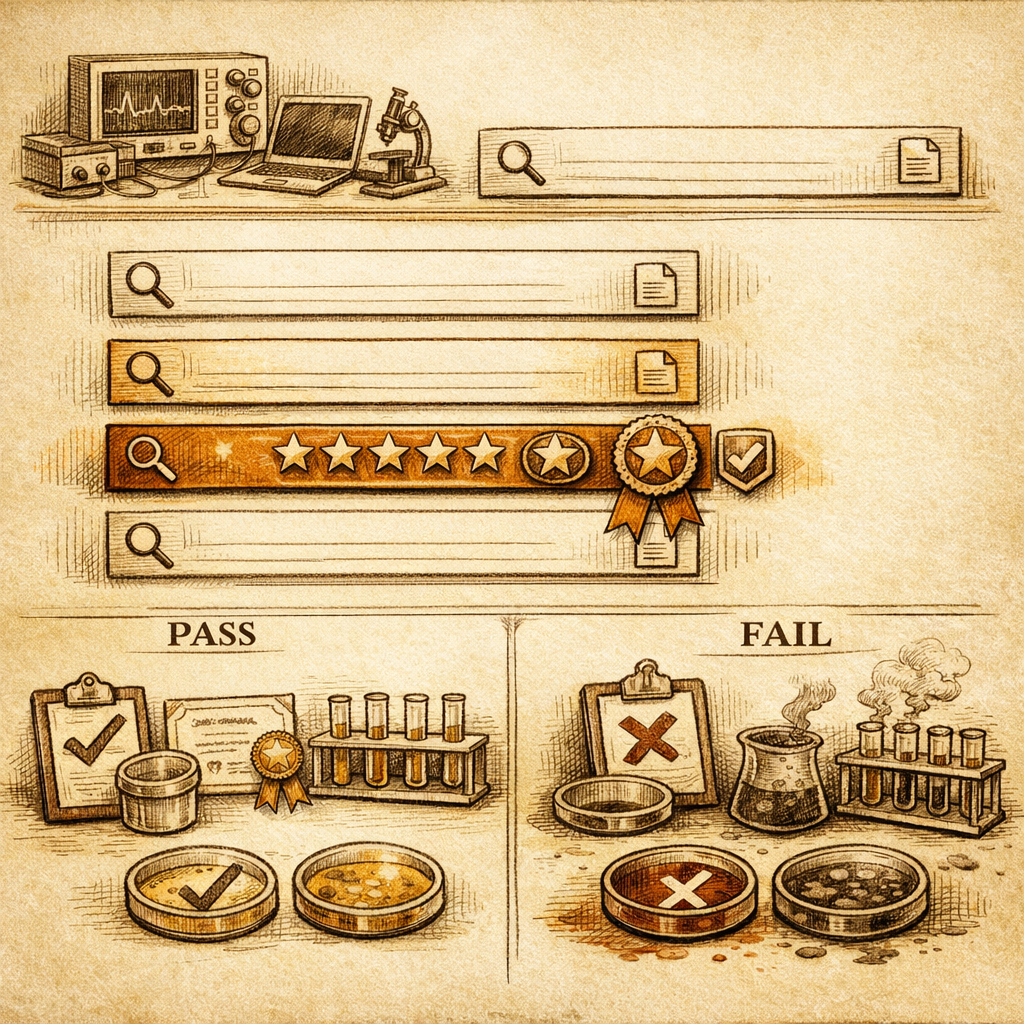
You know that feeling when you deploy something and immediately get a Slack message from someone saying "hey, why is our product showing up as a potato in Google Search?" That's what happens when your JSON-LD structured data becomes a beautiful lie nobody bothered to verify.
Here's the thing: JSON-LD is like a secret love letter to Google - it tells search engines exactly what your content is, what it costs, when it's available, and whether it's worth clicking on. Except most people are writing these letters in crayon and wondering why Google's not impressed. The real tragedy? It's not that JSON-LD is hard. It's that nobody's systematically checking if it actually works after they deploy.
The Regression Testing Blind Spot That's Tanking Your Search Results
Let's be honest: structured data falls apart because humans are terrible at remembering to validate it. You ship a new product feed? Great, the JSON-LD gets regenerated. Someone tweaks a price field? Cool, now your rich snippet is showing last year's pricing. A junior dev refactors the template? Congratulations, you're now broadcasting invalid markup to 2 billion potential customers.
Industry data shows that approximately 60% of websites with structured data have at least one validation error in their JSON-LD markup. That's not a bug - that's a lifestyle choice nobody's making on purpose. The problem is that JSON-LD validation typically happens once, during development, then everyone assumes it's fine forever. It's like checking your car's oil once in 2019 and feeling confident about highway driving in 2026.
This is where regression testing saves your bacon. Think of it as having a paranoid robot follow you around, constantly screaming "IS THIS STILL VALID?" at your markup. Annoying? Yes. Effective? Absolutely.
Building Your Automated JSON-LD Gauntlet
Here's the practical part that'll actually prevent you from looking stupid in front of Google:
- Extract and validate on every deploy. Set up automated tests that grab your JSON-LD output and run it through structured data validation (using the Schema.org validator or similar open-source tooling). This takes 30 seconds per page. Not doing this is the web development equivalent of putting a padlock on your front door while leaving every window wide open.
- Build snapshot tests for schema structure. Save the expected JSON-LD output as a reference. If a code change modifies the markup structure - even slightly - your test fails before it reaches production. You'll catch "oops, I accidentally wrapped the price in an extra array" before Google does.
- Create a regression suite for common data mutations. Test what happens when prices change, products go out of stock, reviews update, or dates shift. Run these tests weekly. Your schema should handle real-world data changes without breaking the markup.
- Monitor search console and rich results test integration. If you're feeling spicy, pipe your pages into Google's Rich Results Test API as part of your regression suite. Document what worked last month. Make sure it still works this month.
The Manual Checks Nobody Wants to Do But Absolutely Should
Automation is great, but it's not magic. You also need humans occasionally looking at what actually shows up in search results. Create a checklist:
- Sample 10 random products/pages weekly and validate their JSON-LD with Google's Rich Results Test
- Check that rich snippets display correctly in incognito mode (no cache weirdness)
- Verify that when data changes on your site, the schema updates within 24 hours
- Spot-check that rating stars, prices, and availability info match what the user actually sees
This takes maybe 15 minutes a week. It's boring. It's also the difference between showing up as a rich snippet or showing up as a sad blue link nobody clicks.
Actually Implementing This Without Losing Your Mind
Start small. Pick one content type - maybe your product schema or article schema - and build a regression test for it. Get that running reliably. Then expand. Don't try to test everything at once unless you enjoy building Frankenstein test suites that break for mysterious reasons.
If you're using a framework or CMS, check if structured data testing already exists in the plugin ecosystem. Most modern setups have at least some tooling. You're probably just not using it.
The whole point is this: JSON-LD structured data is only valuable if it's correct and current. Shipping it once and hoping for the best is like installing a security camera with a dead battery. You think you're protected, but you're really just fooling yourself.
Go ahead - run your homepage through the Rich Results Test right now. If you're seeing anything besides a green checkmark, you've got regression work ahead. And honestly, that's way better than finding out from Google Analytics that your fancy schema broke six months ago.
Disclaimer: This article is for informational purposes only and does not constitute legal, professional, or compliance advice. SCOUTb2 is an automated scanning tool that helps identify common issues but does not guarantee full compliance with any standard or regulation.
Stop finding issues manually
SCOUTb2 scans your entire site for accessibility, performance, and SEO problems automatically.