Subresource Integrity: A Procurement Checklist
By The bee2.io Engineering Team at bee2.io LLC
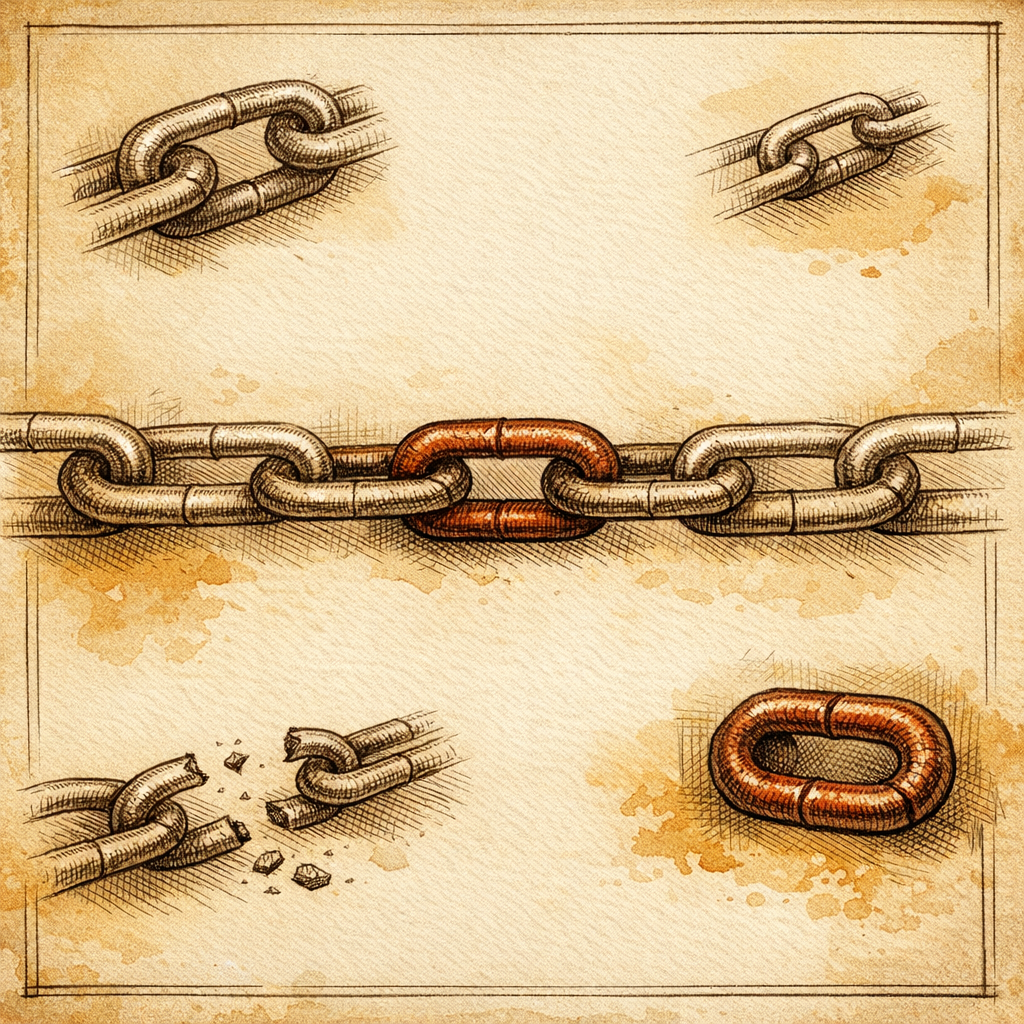
Your Website is Basically Hitchhiking with Strangers
Here's a fun thought experiment: imagine you're loading a critical JavaScript file from a Content Delivery Network (CDN) - which, let's be honest, is basically everyone these days because we're all too lazy to host everything ourselves. That script could be doing exactly what you think it's doing... or it could be quietly harvesting credit card numbers while your users scroll through cat videos.
This isn't paranoia. This is just math. Industry data shows that approximately 25% of websites are vulnerable to supply chain attacks through compromised third-party scripts. That's one in four websites essentially rolling dice with their users' data. The house always wins, and the house is definitely not your website.
When Your CDN Gets Mugged in a Dark Alley
Let's paint a scenario: a popular CDN gets hacked (hypothetically, but not really - this keeps happening). The attackers slip a teeny tiny script modification into one of your dependencies - nothing obvious, just a few lines that exfiltrate session tokens or intercept form submissions. Your website still loads. Everything looks normal. Users see no warning signs. But somewhere in Kazakhstan, a bot is having the time of its life collecting passwords.
The problem? Without Subresource Integrity (SRI), you have absolutely zero way of knowing the script you're loading today is the same script you loaded yesterday. It's the web development equivalent of putting a padlock on your front door while leaving every window wide open with a neon sign that says "FREE STUFF."
Here's where SRI comes in like a bouncer checking IDs. Subresource Integrity uses cryptographic hashes - think of them as digital fingerprints - to verify that a script from your CDN hasn't been tampered with. You tell the browser, "Hey, this script should have hash ABC123XYZ," and if someone modified it to hash ABC123XY(A), the browser straight-up refuses to load it. Game over for attackers.
The Beautiful Simplicity of Hashing Your Problems Away
Implementing SRI is almost embarrassingly simple - which is probably why more people don't do it. It's the kind of thing that takes fifteen minutes but prevents the kind of data breach that costs millions and ruins your weekend.
All you do is add an integrity attribute to your script and link tags:
<script src="https://cdn.example.com/library.js" integrity="sha384-abc123xyz..."></script>That's it. That's the whole hack. (Pun absolutely intended.) The hash is generated from the original, uncompromised script, and browsers will verify it matches every single time. If a hacker so much as changes one character in that script, the hash fails and the script never executes.
The irony? Most developers who've heard of SRI know exactly how important it is. They also know they're not doing it. According to published research, less than 2% of websites currently implement SRI on their CDN resources. That's like knowing you should probably floss while actively choosing not to - except instead of cavities, you get ransomware.
Why You Should Care (Beyond Just Sleeping Better)
Let's talk brass tacks. A compromised third-party script doesn't just steal data - it tanks your reputation, triggers regulatory nightmares, and makes your security team question all their life choices. One major retailer got nailed by attackers who injected malicious code into a widely-used payment processing library. The cleanup took months. The lawsuits took years.
SRI is your insurance policy. It's not sexy. It doesn't impress anyone at parties. But it prevents the kind of disaster that makes you explain "we got hacked" to everyone you know for the rest of your natural life.
Your Turn to Not Be Negligent
Here's what you should do right now - actually right now, not "I'll do it this weekend" (we both know that's a lie):
- Identify every external script your site loads from CDNs
- Generate SRI hashes for each one (most CDN providers make this easy)
- Add those integrity attributes to your script tags
- Test that everything still works (it will)
- Feel smug about your security practices (you've earned it)
SCOUTb2 can help you scan your site and identify which external resources lack SRI protection. Because let's be honest - you have seventeen browser tabs open right now and SRI hashing sounds like something you'll "get to later." Let automation do the heavy lifting. It's what robots are for.
Your users are trusting you with their data. The least you can do is make sure the scripts you're loading aren't trojans wearing JavaScript disguises.
Disclaimer: This article is for informational purposes only and does not constitute legal, professional, or compliance advice. SCOUTb2 is an automated scanning tool that helps identify common issues but does not guarantee full compliance with any standard or regulation.
Stop finding issues manually
SCOUTb2 scans your entire site for accessibility, performance, and SEO problems automatically.